
1. Choosing the raw material
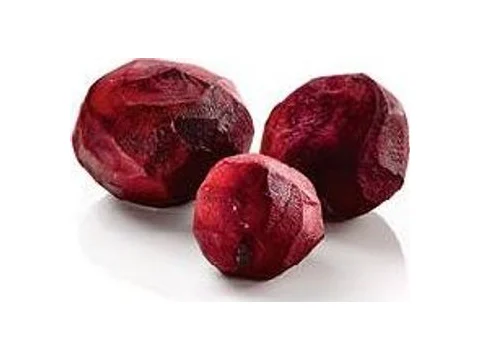
Potatoes for binding, carrots and pumpkin for sweetness and colour, beetroot for a strong red, celeriac for a savoury note. The blend determines flavour, colour and bite. Each raw material has its own requirements for washing, peeling and cooking time.
2. Washing and peeling
Field-run vegetables are destoned, washed and peeled. What does not come off in the wash ends up in the mix later. In peeling, the method determines the loss: elongated carrots are peeled differently from round tubers.
3. Cooking
The vegetables are cooked until they can be size-reduced and bound. What matters is that all pieces are equally tender. Unevenly cooked vegetables lead to a mix that crumbles in one place and is greasy in another.
4. Size reduction and mixing
After cooking, the vegetables are size-reduced and mixed in batches with spices, binders and other ingredients. Controllable mixing times make sure every batch comes out the same.
5. Forming, frying, freezing
Forming machines shape burgers, patties or balls from the mix. They are then fried or baked and packed frozen or chilled. This equipment comes from specialised manufacturers and is connected to the vegetable line in the planning.
What matters in planning
Many recipes, frequent changeovers, strongly staining raw materials: for veggie burgers, cleaning and changeover are often more important than peak output. Plan for this from the start and you will have less downtime later.